Ireland’s proposed ban on most flavored vaping products has cleared Dáil Éireann and moved to the Seanad, putting the country closer to a legal market limited largely to tobacco and unflavored vapes.
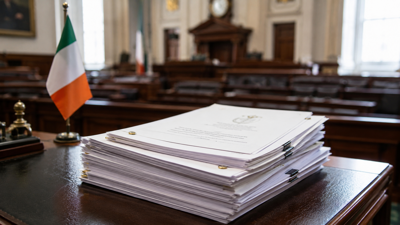
The Public Health (Tobacco Products and Nicotine Inhaling Products) (Amendment) Bill 2026 was debated at Report and Final Stages in the Dáil on June 24, 2026. If enacted, the bill would give Irish ministers another prohibition tool dressed up as youth protection: a flavor regime that would remove the products many adults use precisely because they do not taste like cigarettes.
The Department of Health said when the bill was approved for publication on March 3, 2026, that it would limit flavors in nicotine inhaling products to tobacco and allow officials to change the list by regulation. The bill would also ban retail advertising for vapes and nicotine consumption products, prohibit point-of-sale display in mixed retail outlets, restrict colors and imagery on devices and packaging, and ban devices designed to resemble toys or games.
The proposal also brings nicotine pouches and future non-medicinal nicotine products into Irish law by banning sales to people under 18 and restricting advertising and display. That is the easy part. The harder question, apparently too hard for Irish lawmakers, is why a smoker trying to quit cigarettes should be offered tobacco flavor as the government-approved alternative.
The government’s case rests on youth use. The Healthy Ireland Survey 2025 found that 8% of the population currently uses e-cigarettes daily or occasionally, including 18% of 15- to 24-year-olds. But the same survey found that 50% of e-cigarette users are former smokers, 33% are current smokers, and 17% have never smoked.
That mixed market matters. Ireland’s own Health Service Executive tells the public that smoking is “extremely dangerous” and that vaping delivers nicotine with fewer toxins than cigarettes, and yet refuses to recommend vaping as a stop-smoking method. A policy that makes legal vapes less appealing to adults while cigarettes remain widely available is not a narrow youth measure. It is a gamble with public health, potentially undermining tobacco harm reduction efforts.
The bill must still clear EU procedural hurdles before enactment. In a May 26, 2026 Dáil response, Health Minister Jennifer Carroll MacNeill said the bill had been notified under the EU’s Technical Regulations Information System (TRIS) process on April 2, 2026, triggering a three-month standstill period that could be extended by another three months if the European Commission or a member state issues a detailed opinion.
During the Dáil debate, Social Democrats TD Pádraig Rice pushed to add nicotine pouches to the bill’s packaging restrictions, arguing they are sold in “bright, attractive packaging.” Junior health minister Jennifer Murnane O’Connor rejected the amendment, according to ShelfLife’s report on the debate, saying it would require another EU notification and could delay the bill by up to a year.
Irish ministers call the package “leadership” on nicotine control. For adult smokers, it looks more like another European government choosing flavor prohibition over a regulated legal market that adults might actually use.


Because of declining cigarette sales, state governments in the U.S. and countries around the world are looking to vapor products as a new source of tax revenue.

A list of vaping product flavor bans and online sales bans in the United States, and sales and possession bans in other countries.

A closer look at PouchPoint, an online nicotine pouch store offering competitive pricing, wide selection, and a smooth shopping experience.

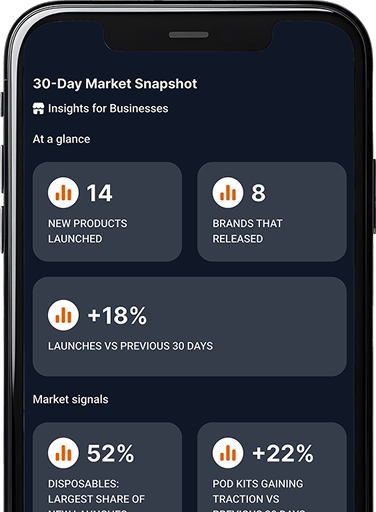
A practical, data-driven breakdown of where the vape market is heading—and how to position your business ahead of regulatory and category shifts.